Enhancing Manufacturing Processes: The Impact of 3D Laser Scanning on Quality Assurance
3D laser scanning innovation is changing quality assurance in manufacturing. By providing accurate measurements and high-resolution data, it makes it possible for suppliers to recognize inconsistencies from requirements effortlessly. This innovation not just enhances assessment processes but also boosts functional effectiveness. 3D Scanning. The execution of this innovation comes with its own set of difficulties. Exploring these elements discloses the wider ramifications for sectors and the future landscape of production

Recognizing 3D Laser Scanning Technology
3D laser scanning modern technology has advanced considerably in recent years, its essential concept continues to be uncomplicated: capturing the exact geometry of items making use of laser light beams. This technology employs laser light to measure distances between the scanner and numerous factors on a things's surface area. The information collected is then refined to develop a detailed 3D model, accurately showing the measurements and shapes of the scanned item.
Usually, 3D laser scanners can be classified into two main types: call and non-contact scanners. Call scanners physically touch the object to gather dimensions, whereas non-contact scanners make use of laser light beams to catch data from a distance. The adaptability of this modern technology allows its application across various industries, consisting of production, architecture, and construction. Its capacity to create high-resolution models promotes quality assurance, reverse engineering, and rapid prototyping, inevitably improving design precision and effectiveness in production procedures.
Benefits of 3D Laser Scanning in Manufacturing
As manufacturers look for to enhance effectiveness and precision in their processes, the advantages of 3D laser scanning have come to be progressively evident. This cutting-edge innovation enables extremely exact and fast dimensions of complicated geometries, substantially decreasing the moment required for top quality checks. By capturing thorough data, makers can identify inconsistencies early in the production process, therefore reducing waste and revamp costs.
3D laser scanning helps with better design recognition, enabling engineers to contrast as-built conditions with original specs. This ability ensures that any variances are quickly resolved, enhancing overall product quality. In addition, the technology supports the production of electronic twins, which can be utilized for simulations and process optimizations. Therefore, suppliers not only raise their functional performance yet likewise enhance their affordable advantage on the market. In general, the combination of 3D laser scanning stands for a transformative step towards attaining higher standards in manufacturing quality assurance.
Assimilation of 3D Laser Scanning Into Top Quality Control
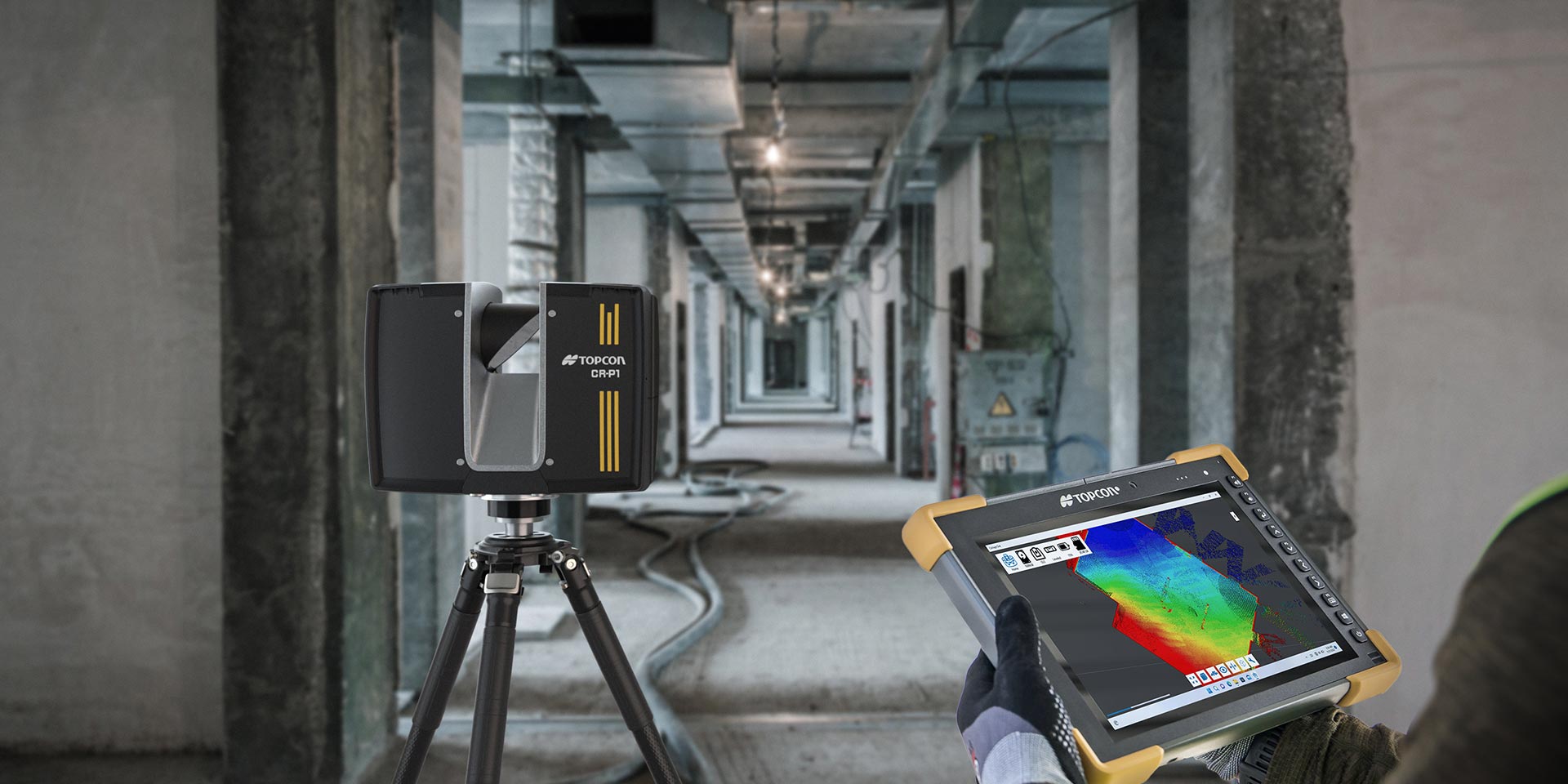
Integrating 3D laser scanning into quality assurance processes boosts the precision and effectiveness of evaluations throughout production. This modern technology enables makers to catch detailed, high-resolution data of components and settings up, enabling for specific measurements and comparisons against design requirements. By employing 3D laser scanning, organizations can determine inconsistencies from resistances much more efficiently, which is crucial for preserving product honesty.
Real-World Applications and Study
Real-world applications of 3D laser scanning in producing show its transformative effect throughout different markets. For example, aerospace firms utilize this modern technology to conduct precise assessments of parts, ensuring they satisfy rigorous security requirements. A notable case entailed a leading airplane maker that utilized 3D laser scanning to enhance its quality control processes, significantly lowering evaluation times and mistakes.
In the vehicle field, producers have implemented laser scanning to produce electronic twins of their automobiles, enabling real-time changes throughout manufacturing. One auto firm reported a 30% decrease in rework expenses after integrating this innovation into their production line.
In the consumer items industry, business are making use of 3D laser scanning for rapid prototyping, enabling for quicker iterations and enhanced product styles. These applications highlight how 3D laser scanning not only improves precision but additionally improves effectiveness and technology across several production domains.
Getting Over Difficulties in Execution
Implementing 3D laser scanning in manufacturing presents a number of challenges that companies have to navigate to fully understand its benefits. One significant difficulty is the preliminary cost of devices and software, which can discourage companies from embracing this technology. Additionally, integrating 3D laser scanning into existing process requires getting rid of resistance to alter among workers, requiring comprehensive training programs to guarantee proficiency. Information monitoring additionally poses a challenge, as the high quantity of info created by 3D scanning need to be efficiently refined and evaluated to obtain actionable understandings. Compatibility issues with legacy systems might impede seamless assimilation, requiring possible upgrades or adjustments. Addressing these challenges is essential for suppliers intending to improve quality assurance and enhance manufacturing processes. By developing clear strategies for training, financial investment, and information administration, companies can mitigate these barriers and launch the transformative potential of 3D laser scanning in their procedures.
Future Patterns in 3D Laser Scanning for Manufacturing
As making proceeds to develop, the integration of 3D laser page scanning with raised automation is expected to transform manufacturing processes. Boosted data analytics will play a vital duty in enhancing and maximizing process quality assurance. These fads highlight the potential for better effectiveness and precision in making settings.
Increased Automation Integration
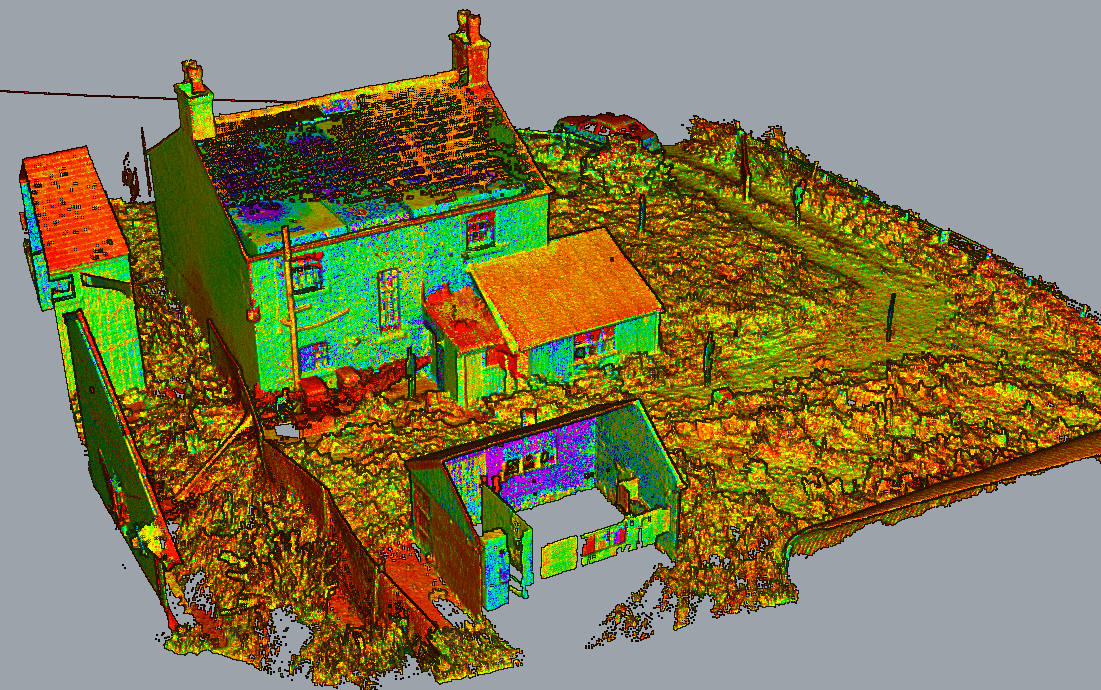
The assimilation of automation in manufacturing has actually been steady, the future of 3D laser scanning is positioned to increase this fad substantially. As making procedures come to be significantly intricate, the need for exact, real-time measurements grows. 3D laser scanning technology offers automated data capture, reducing labor costs and minimizing human mistake. This assimilation enables makers to enhance high quality control processes, allowing rapid detection of deviations in manufacturing. Furthermore, the positioning of 3D laser scanning with robotics and automated systems helps with seamless procedures, improving overall efficiency. As suppliers take on these sophisticated technologies, they can expect better precision and productivity, placing themselves competitively in a rapidly developing market. The synergy in between automation and 3D laser scanning marks a considerable jump forward in producing innovation.
Boosted Data Analytics
The integration of automation has actually paved the means for advancements in information analytics within the domain of 3D laser scanning. Makers are progressively leveraging innovative formulas and machine knowing methods to examine huge datasets produced by laser scans. This improved information analytics ability enables for real-time surveillance of producing procedures, allowing the identification of discrepancies and flaws better than conventional techniques. Predictive analytics can predict possible concerns, substantially decreasing downtime and enhancing total efficiency. Additionally, the capacity to picture data in 3 dimensions offers much deeper insights right into production workflows, fostering better decision-making. As 3D laser scanning modern technology proceeds to evolve, the role of information analytics will become significantly essential in driving visit here technology and keeping affordable benefit in production.
Regularly Asked Concerns
What Industries Benefit one of the most From 3D Laser Scanning?
The sectors that profit most from 3D laser scanning consist of production, building, aerospace, automotive, and healthcare. These industries use the modern technology for precision dimensions, quality control, and reliable style procedures, substantially improving general functional effectiveness.
Exactly How Does 3D Laser Scanning Compare to Standard Dimension Methods?
3D laser scanning provides higher precision and speed compared to conventional dimension approaches. It catches in-depth geometries swiftly, reducing human error and helping with much better evaluation, which ultimately improves overall top quality control in numerous markets.
What Is the Expense of Applying 3D Laser Scanning Modern Technology?
The price of applying 3D laser scanning modern technology varies significantly, normally ranging from $10,000 to $100,000, depending on software application, devices, and training. Organizations should evaluate these costs against potential effectiveness and quality enhancements.
Are There Details Software Demands for 3D Laser Scanning?
Yes, 3D laser scanning requires details software application, including data processing and modeling applications. Common selections encompass CAD software program, point cloud visit this site right here handling tools, and specialized applications that help with the assimilation and evaluation of scanned information for optimal results.
The length of time Does a Common 3D Laser Scanning Refine Take?
A normal 3D laser scanning process can take anywhere from a couple of minutes to numerous hours, depending on aspects like the dimension of the things, intricacy of the atmosphere, and called for level of information for precision.
3D laser scanning modern technology is changing top quality control in production. 3D laser scanning technology has actually evolved significantly in current years, its essential concept stays uncomplicated: catching the precise geometry of objects making use of laser beams. Incorporating 3D laser scanning right into quality control processes improves the accuracy and performance of assessments throughout production (3D Scanning). 3D laser scanning modern technology uses automated information capture, reducing labor costs and lessening human error. The expense of applying 3D laser scanning modern technology varies substantially, typically varying from $10,000 to $100,000, depending on tools, software application, and training